


Industries
Forestry Financing
Forestry is heavy iron, hard hours and seasonal blocks — machines that cost like houses and work like mules. Makwa Path helps Canadian forestry contractors, loggers and mill operators explore financing built for how the bush actually runs.
Last reviewed September 22, 2026 · Makwa Path Financial · Indigenous-owned · Canada-wide
What financing might a forestry business use?
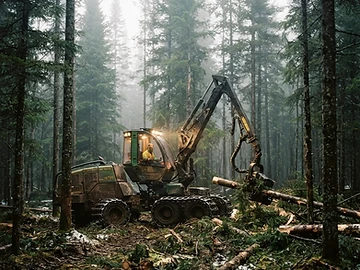
Mostly machinery and transport financing: harvesters and processors, skidders, forwarders, sawmill machinery, and the log trucks and lowbeds that move wood and machines — plus working capital to carry the block until wood pays. Because these machines work hard, hours and condition weigh heavily in every review. Terms vary; approval and lender criteria apply.
What forestry businesses typically finance
The mix shifts with the operation:
- Contractors — a processor or skidder, the lowbed to move it, and the truck that pulls the lowbed
- Loggers — log trucks and trailers alongside the machines that fill them
- Mill operators — sawmill and processing machinery, material handling
- Value-add moves — from selling logs to sawing, planing and processing
- Any stage — working capital to carry crew and fuel between settlements
The seasonal block system
Forestry revenue arrives by block and by season — settlements lag the work, and machines need major component work on their own schedule. Reviews therefore line up the financing with the wood actually committed: the skidder sized to three seasons of blocks, the working capital sized to the settlement gap, not a generic monthly template.
Hours tell the truth
In no other category does condition matter more. A 10,000-hour processor is a different machine than a 4,000-hour one, and the honest review prices remaining life — frame, undercarriage, drivetrain — not the paint. Inspection at this scale is worth the cost, and is part of the conversation.
The machine-truck system
Forestry assets travel in systems: the forwarder feeds the log truck, the lowbed moves everything between blocks. Reviews that treat the machine and its transport as one system match how the business actually runs — and how it earns.
How the review works
Start with the blocks, the season and the machines being considered. The review covers the assets, the contracts behind them and the settlement cycle, then lays out payment, term, rate, fees and total cost in plain language.
Common questions
Can high-hour machines be financed?
Sometimes — hours, maintenance history and remaining component life weigh heavily, and lender criteria vary. The review prices remaining life honestly, which sometimes means recommending a different machine.
What about the trucks, not just machines?
Log trucks and lowbeds are commonly part of the same review as the machines they move — one system, one plan, against the season's committed wood.
Do you work with smaller bush operations?
Yes — small contractors and owner-operator setups are a large share of forestry reviews. The conversation starts with the blocks and the iron, not a minimum fleet size.
You may also need
Related pathways, assets and industries for the same situation.
Next step
Explore it with Makwa Path — in your own words.
Describe the situation you're in. We'll help identify the likely pathway and explain the next step plainly — no banking language required.
Financing and leasing are subject to approval and applicable lender criteria. Exploring options is not an approval, guarantee of financing or commitment to lend. Prefer a person? Request a callback.