


Equipment financing
Forestry Equipment Financing
Forestry work runs on machines that earn hard and wear hard. From cut-to-length processors and skidders to forwarders and sawmill machinery, Makwa Path helps Canadian forestry businesses explore financing for the equipment the bush depends on.
Last reviewed September 22, 2026 · Makwa Path Financial · Indigenous-owned · Canada-wide
What can forestry equipment financing cover?
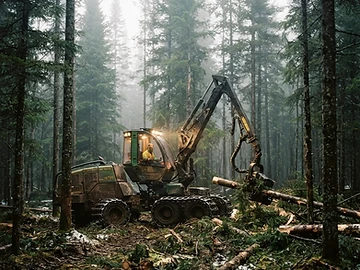
Financing or leasing for the machinery behind forestry operations: harvesters and processors, skidders, forwarders, harvesting heads, delimbers, sawmill and processing machinery, plus the trucks and trailers that move wood and machines — new or used. Because these machines work hard, hours and condition weigh heavily in the review. Terms vary by machine and lender; approval and lender criteria apply.
Machinery in these reviews
The equipment forestry businesses most often explore:
- Harvesters and processors — cut-to-length systems and harvesting heads
- Skidders — cable and grapple configurations
- Forwarders — moving wood from cut block to landing
- Delimbers and processors
- Sawmill machinery — head rigs, edgers, planers, and small-mill systems
- Trucks and trailers — log trucks, lowbeds and machine transport
Hours and condition matter most
Forestry machines work in the hardest conditions there are. In this category, the review leans heavily on hours, maintenance history and the machine's remaining frame and drivetrain life — a low-hours machine is a different conversation than a high-hours one, and the plan should match the truth about the iron.
Inspections are worth the cost at this scale, and are part of the conversation.
The truck-and-machine system
Forestry operations are systems: the processor needs the forwarder, the forwarder needs the log truck, and everything needs a lowbed to move between blocks. Machine-plus-truck combinations are commonly reviewed as one opportunity against the season's contracts.
Sawmill and value-added machinery
Businesses moving up the value chain — from selling logs to sawing, planing or processing — bring a different equipment list. Mill machinery reviews are built around throughput and the markets for the finished product, not the cut block alone.
How the review works
Start with the season, the blocks and the machines being considered. The review covers the asset, the contracts behind it and the operation's revenue cycle, then lays out payment, term, rate, fees and total cost in plain language.
Common questions
Can high-hour forestry machines be financed?
Sometimes — hours, maintenance history and remaining component life weigh heavily here, and lender criteria vary. The review weighs what the machine has left to give, not just its sticker.
Can the log truck be part of the same plan?
Often, yes — machine plus truck and trailer as one system is a common review shape in forestry, explored against the season's contracts rather than as separate deals.
What about sawmill equipment?
Mill machinery — saws, edgers, planers and small-mill systems — can be explored where the operation and markets support it. The review is built around throughput and finished-product revenue.
You may also need
Related pathways, assets and industries for the same situation.
Next step
Explore it with Makwa Path — in your own words.
Describe the situation you're in. We'll help identify the likely pathway and explain the next step plainly — no banking language required.
Financing and leasing are subject to approval and applicable lender criteria. Exploring options is not an approval, guarantee of financing or commitment to lend. Prefer a person? Request a callback.