


Equipment financing
Restaurant Equipment Financing
A restaurant is a kitchen with chairs around it. Ovens, refrigeration, dishwashers, prep equipment — the machinery that makes service possible is also the biggest cost of opening or upgrading one. Makwa Path helps Canadian food-service businesses explore financing for eligible restaurant and commercial kitchen equipment.
Last reviewed September 22, 2026 · Makwa Path Financial · Indigenous-owned · Canada-wide
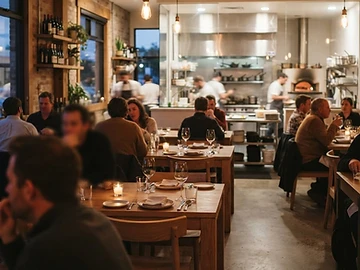
What can restaurant equipment financing cover?
Financing or leasing for the equipment a restaurant runs on: cooking ranges and ovens, commercial refrigeration and freezers (including walk-ins), dishwashers, prep and holding equipment, and point-of-sale systems — with ventilation and other fixtures where eligible. New or used equipment can both be explored. Terms vary by equipment, business and lender; approval and lender criteria apply.
What a kitchen financing plan may include
Common pieces in a restaurant equipment arrangement:
- Cooking equipment — ranges, ovens, fryers, griddles, charbroilers
- Refrigeration — reach-ins, walk-in coolers and freezers, prep fridges
- Dishwashing — commercial dish machines and glasswashers
- Prep and holding — mixers, food processors, warming and holding equipment
- Point-of-sale systems and kitchen display hardware
- Ventilation and exhaust — where eligible, often alongside landlord approvals
Opening, replacing or expanding
Three different situations, three different reviews. A first kitchen is a startup review — built around the plan and the shortest list that reaches opening night. A failed walk-in cooler on a Friday is a replacement review — speed and downtime matter. A second location is an expansion review — built around the track record the first one earned.
New or used kitchen equipment
Both are explored. Used kitchen equipment is a real market — well-maintained stainless ages well, and the savings can be significant. Health-code requirements, service history and energy efficiency are part of the review; eligibility varies by equipment and lender.
The working-capital companion
Kitchens rarely need equipment alone. Opening needs inventory and payroll runway; a busy season needs stock ahead of the rush. Where eligible, working capital can be explored alongside the equipment as one plan — the kitchen and the runway together.
How the review works
Start with the situation in your own words — the opening date, the dead cooler, the second location. The review identifies what equipment financing can realistically cover, what information is needed, and lays out payment, term, rate, fees and total cost in plain language.
Common questions
Can a new restaurant finance its kitchen?
It can be explored — startup situations are reviewed around the plan, the location and the owner's situation, with lender criteria applying. Sometimes phasing (cook line first, seating upgrades later) opens options; you'll be told honestly what fits.
What about a walk-in cooler that just failed?
That's a replacement review — one of the most common calls in food service. Speed and downtime are weighed alongside the financing; used and new replacement options are compared on real numbers.
Can equipment and inventory be financed together?
Where eligible, yes — equipment financing for the kitchen and working capital for the opening inventory and early payroll can be explored as one plan rather than two unrelated requests.
You may also need
Related pathways, assets and industries for the same situation.
Next step
Explore it with Makwa Path — in your own words.
Describe the situation you're in. We'll help identify the likely pathway and explain the next step plainly — no banking language required.
Financing and leasing are subject to approval and applicable lender criteria. Exploring options is not an approval, guarantee of financing or commitment to lend. Prefer a person? Request a callback.