


Equipment financing
Forklift Financing
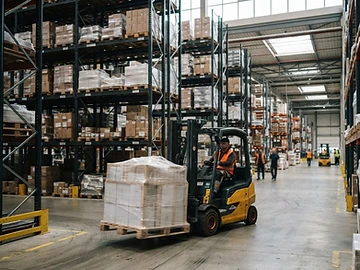
In a warehouse, a lumber yard or a plant, the forklift is the machine everything else depends on. Makwa Path helps Canadian businesses explore financing or leasing for new or used forklifts — electric, propane or diesel — including warehouse material-handling fleets.
Last reviewed September 22, 2026 · Makwa Path Financial · Indigenous-owned · Canada-wide
Can I finance a forklift?
Yes — forklifts are one of the most commonly financed pieces of business equipment. Options include financing toward ownership or leasing, for new or used units, electric or internal-combustion. Leasing is common in this category because usage, not ownership, is often what matters. Terms vary by unit, age and lender; approval and lender criteria apply.
What forklift financing may cover
Typical arrangements include:
- Electric forklifts — warehouse and indoor operations
- Propane and diesel units — yards, lumber, rough terrain and outdoor work
- Rough-terrain forklifts for construction and site material handling
- Used units — reviewed with hours and service history
- Additional units for growing operations and second shifts
Who commonly finances forklifts
Warehouses and distributors, manufacturers, lumber yards and building suppliers, food processors, recyclers and retailers with loading docks. The pattern that brings most businesses here: volume grows until pallets wait, or an aging unit's downtime starts costing more than a payment would.
A second forklift for a second shift is one of the clearest expansion situations there is — the machine pays for itself in hours it unlocks.
Lease considerations in this category
Forklifts are a category where leasing genuinely earns its place for many businesses: predictable payments, service terms sometimes bundled, and no end-of-life machine to trade in. Ownership financing suits high-use operations that wear machines on their own schedule. Both are compared with total cost, not just the payment.
Electric versus internal combustion
Electric suits indoor work and lower per-hour operating cost; propane and diesel suit outdoor and rough terrain. Which one makes sense depends on where the machine works — part of the review, not a pitch.
How the review works
Start with the operation: what moves, how much, how far, indoors or out. The review matches unit type to the work, then lays out financing or leasing options with payment, term, rate, fees and total cost in plain language.
Common questions
Lease or buy for one forklift?
Both are explored and compared honestly. Leasing suits predictable usage and bundled service; financing toward ownership suits heavy users. The right answer depends on hours of use and how long you'll run the machine.
Can I finance a used forklift?
Yes, where hours, age and condition fit the criteria. Well-maintained used forklifts are common — the review weighs service history heavily in this category.
We need several units at once. Is that one application?
Multiple units behind one purpose — an expansion, a new facility, a second shift — are explored as one opportunity rather than separate deals. Describe the situation and the plan is built around it.
You may also need
Related pathways, assets and industries for the same situation.
Next step
Explore it with Makwa Path — in your own words.
Describe the situation you're in. We'll help identify the likely pathway and explain the next step plainly — no banking language required.
Financing and leasing are subject to approval and applicable lender criteria. Exploring options is not an approval, guarantee of financing or commitment to lend. Prefer a person? Request a callback.