


Equipment financing
Agriculture Equipment Financing
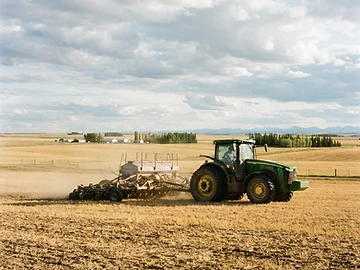
Farming runs on machinery, and machinery runs on capital. From a tractor and its implements to combines and grain-handling systems, Makwa Path helps Canadian farms and agriculture businesses explore financing for the equipment a season depends on.
Last reviewed September 22, 2026 · Makwa Path Financial · Indigenous-owned · Canada-wide
How does agriculture equipment financing work?
It's financing or leasing explored for the machinery a farm operation runs on — tractors, implements, harvesting equipment, grain handling, trailers and more, new or used. Because farm revenue is seasonal, payment structures and timing matter and are part of the conversation. Terms vary by machine, operation and lender; approval and lender criteria apply.
What farm equipment financing may cover
Common machinery in these reviews:
- Tractors — from utility tractors to high-horsepower row-crop machines
- Implements — seeders, tillage, balers, mowers, hauling equipment
- Harvesting equipment — combines, forage harvesters and headers
- Grain handling — augers, bins and dryers where eligible
- Trailers and farm transport
- Livestock equipment and feeding systems
Seasonality shapes everything
Farm revenue arrives in concentrated windows; machinery costs are year-round. That's why payment timing is part of the review — structures that line up with harvest and payment cycles where available, rather than a generic monthly template that ignores how the income actually arrives.
The review also weighs what the machine does to the season: the seeder that gets the crop in on time is worth more than its price tag suggests in a short window.
New or used machinery
Both are explored. The used machinery market is deep, and well-kept machines carry real value — with hours, maintenance records and inspection as part of the review. New machinery brings warranty, precision features and longer eligible terms where available. Eligibility varies by machine, age and lender.
Beyond the farm gate
Many agriculture businesses are also hauling and service businesses — custom work, gravel, transport. Equipment plus a truck and trailer combination, or machinery plus working capital for inputs, can be reviewed as one plan.
How the review works
Start with the season and the gap: what work the machine needs to do, and when. The review covers the asset, the operation and the revenue cycle, then lays out options with payment, term, rate, fees and total cost in plain language.
Common questions
Can I finance a used tractor?
Yes, where hours, age and condition fit the criteria — the used machinery market is a normal part of agriculture financing. Maintenance records strengthen any review.
Do payments have to be monthly?
Not necessarily — structures that reflect seasonal revenue can be discussed where available. Timing and structure are part of the review, not a fixed template.
What about implements alongside a tractor?
Tractor-plus-implement combinations are commonly reviewed together — the machine and the tools that make it earn, one plan rather than separate deals.
You may also need
Related pathways, assets and industries for the same situation.
Next step
Explore it with Makwa Path — in your own words.
Describe the situation you're in. We'll help identify the likely pathway and explain the next step plainly — no banking language required.
Financing and leasing are subject to approval and applicable lender criteria. Exploring options is not an approval, guarantee of financing or commitment to lend. Prefer a person? Request a callback.