


Equipment financing
Excavator Financing
From the compact mini excavator that fits through a fence gate to the full-size machine that digs foundations, excavators are how digging work gets done. Makwa Path helps Canadian businesses explore financing or leasing for new or used excavators of every size class.
Last reviewed September 22, 2026 · Makwa Path Financial · Indigenous-owned · Canada-wide
How does excavator financing work?
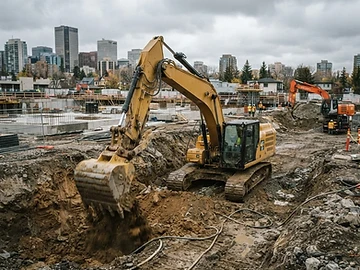
It's financing or leasing explored for a new or used excavator — mini, midi or full-size — used in a business. Because excavators are high-value, long-lived machinery, terms are typically structured around the machine's age, hours and expected working life. Approval and lender criteria apply; used machines are reviewed with hours and service history.
Size classes and who uses them
Different sizes answer different work:
- Mini excavators — landscaping, fencing, utilities, indoor and tight-access work
- Midi excavators — septic, residential excavation, rural contractors
- Full-size excavators — site work, foundations, road and utility projects
- Specialty configurations — long reach and wheeled excavators where the work demands
New or used
Both are explored, and the used market for excavators is deep — which is good news and a caution. Hours and maintenance records matter on a machine that may have worked hard; undercarriage condition on tracked machines is part of any sensible review. A pre-purchase inspection is worth the cost on larger machines, and eligibility varies by age, hours and lender.
The supporting cast
An excavator usually needs company: a trailer or float sized to haul it, and sometimes a truck that can pull that trailer. Machine-plus-trailer-plus-truck combinations are frequently reviewed as one opportunity — the whole digging setup, not just the machine.
Contract work and excavators
Excavators are often the big line in a contract-fulfillment plan: the machine the job depends on, plus the working capital to carry the crew until payment arrives. Those situations are reviewed against the contract as a whole.
How the review works
Bring the machine you're considering — found one already, or still weighing sizes. The review covers the asset, the work it will do and the business behind it, then lays out payment, term, rate, fees and total cost in plain language before any commitment.
Common questions
Can a newer business finance an excavator?
It can be explored — startup and newer-business situations are reviewed differently than established operations, and lender criteria vary. With a machine this significant, the review looks hard at the work lined up for it. No outcome is guaranteed.
What about hours on a used machine?
Hours are a core part of the review, along with age, service history and undercarriage condition on tracked machines. Higher hours don't automatically disqualify a machine, but they change what's realistic.
Can the haul trailer be included?
Often, yes — machine-plus-trailer is a common single review, and the truck to pull it can be part of the same opportunity where needed. The details depend on the deal and lender criteria.
You may also need
Related pathways, assets and industries for the same situation.
Next step
Explore it with Makwa Path — in your own words.
Describe the situation you're in. We'll help identify the likely pathway and explain the next step plainly — no banking language required.
Financing and leasing are subject to approval and applicable lender criteria. Exploring options is not an approval, guarantee of financing or commitment to lend. Prefer a person? Request a callback.